01
Look around
Walk your street, your school route, your beach, your market. Notice one problem that is real, local and specific.

Andhra Pradesh Space Tech Conclave 2026 & International Conference presents
Space for Social Good — a student challenge on how space technology can help solve the problems we live with every day.
About the challenge
Satellites watch our coastline, warn us about cyclones, guide fishing boats, map floods and track the health of crops. Most of it happens quietly, far above us, while the problems it helps with are right outside our doors.
This challenge asks school students of Classes 8–12 to close that gap. Look around your own neighbourhood, pick one problem that genuinely bothers you, and find out how space technology is — or could be — part of the answer.
No coding. No prototype. No laboratory. Only observation, curiosity, honest research and the ability to explain what you found.
What students will do
Four steps — only curiosity, research and clear thinking.
Walk your street, your school route, your beach, your market. Notice one problem that is real, local and specific.
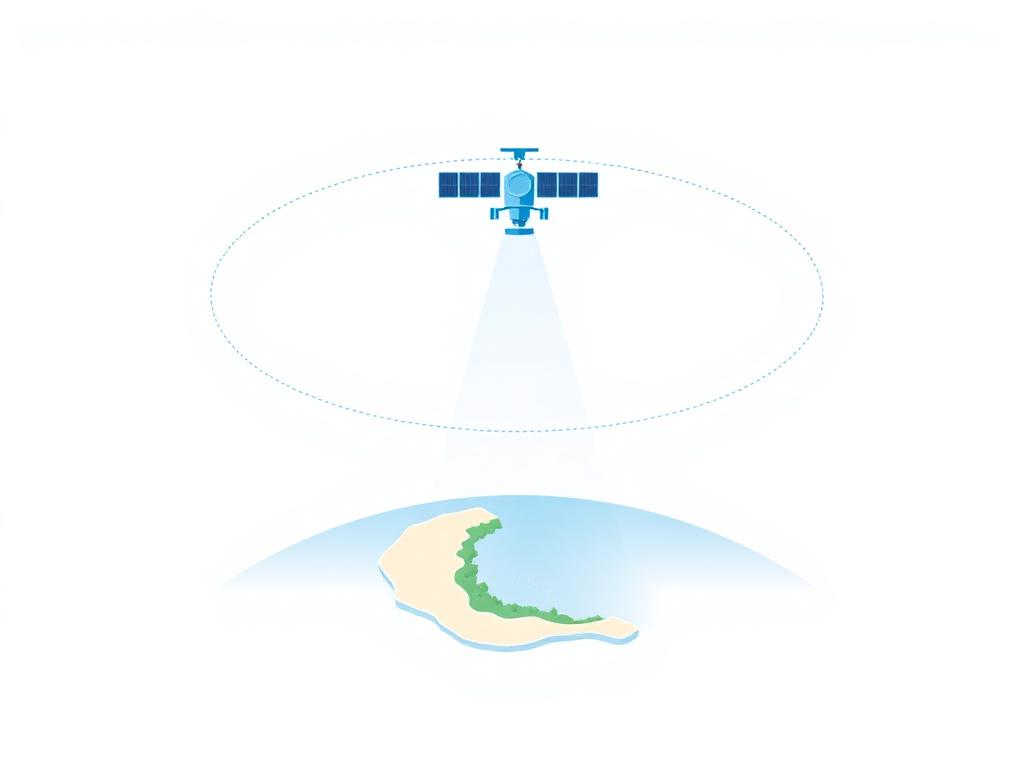
Find out which satellite or space technology already deals with a problem like yours — Bhuvan, INSAT, NavIC, INCOIS and more.
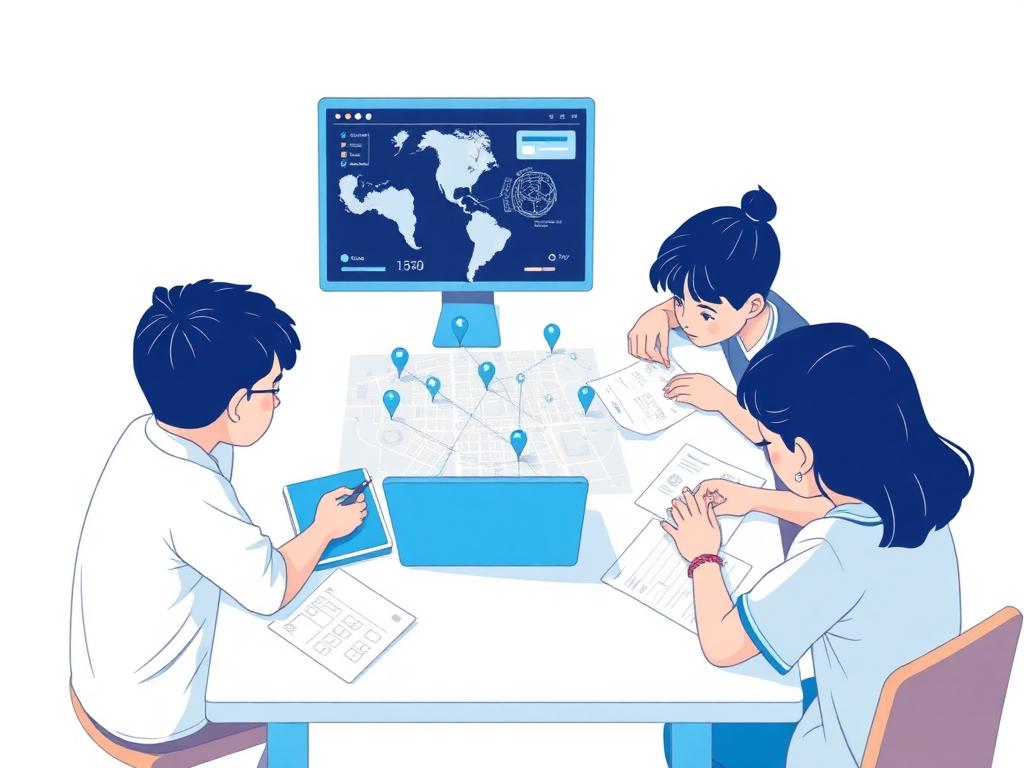
Explain in your own words how that technology could help in your city, and what would have to change for it to work.
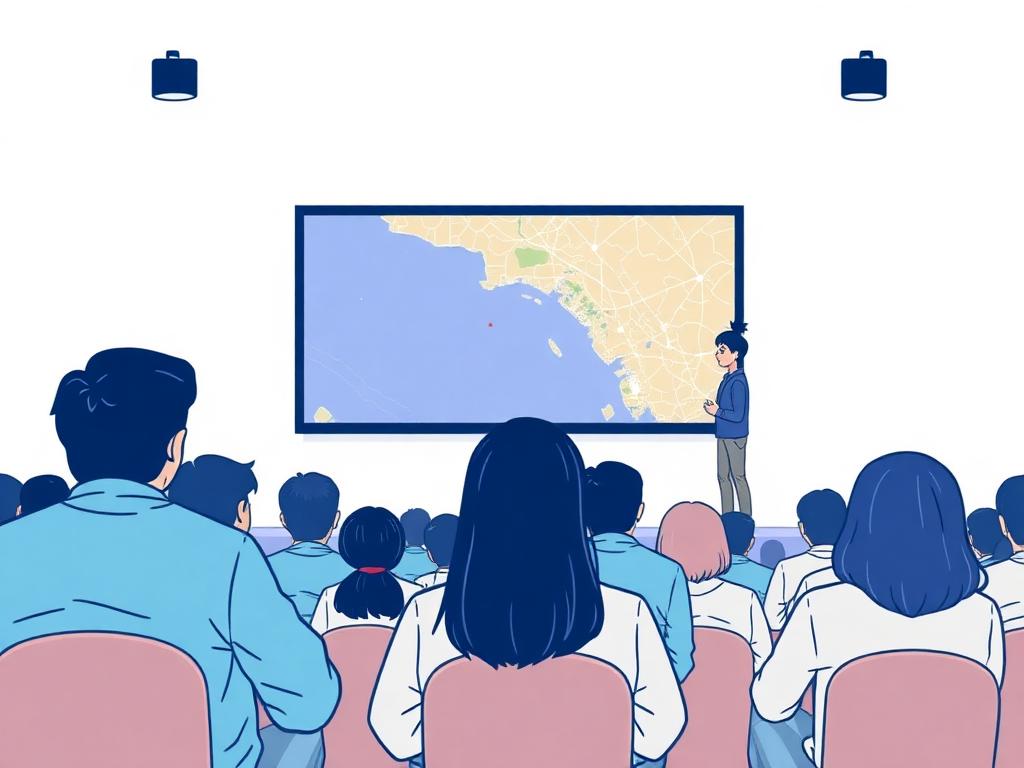
Write it up clearly in two to three pages — the problem, the technology, the connection and what you would do next.
Look up. Look around. Connect the two.
Founder's Message
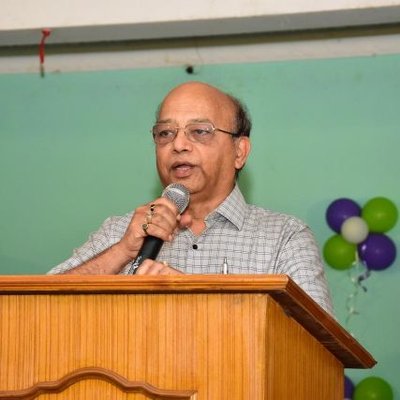
"An opportunity for school children to see how space technology touches everyday life — and to bring their own ideas to the space community."View Profile
Space technologies
These are starting points, not boundaries. If your team finds another way space technology touches your city, bring it — as long as the problem is real and local.
Monsoons, cyclones and early warning
02Air, water and soil, watched from orbit
03Rivers, groundwater and rainwater
04Crops, soil health and changing land use
05Movement, connectivity and growing cities
Who can participate
Teams of 3–4 students from the same school. Students from different classes can team up. Curiosity matters more than marks.
Junior (Classes 8–9) and Senior (Classes 10–12) are judged separately, with their own set of winners.
A teacher coordinator is optional. Their role is to help with registration and permissions and to encourage — never to do the work.
What we are looking for
Entries are not scored against a points table. The organising team reads every submission and looks for four things.
A problem you actually saw, in a place you actually know — not one picked off the internet.
Evidence that you went and found out how the technology works, and understood enough to explain it.
A link between the technology and the problem that makes sense in your own city.
Written simply and honestly. Your own voice counts for far more than borrowed language.
The submission
Written in English or Telugu, submitted by 19 September 2026, 11:59 PM. Length is not what impresses us — clarity is.
Where you saw it, who it affects and why it matters. Photographs and your own observations are welcome.
Which satellite technology relates to it — Earth observation, weather, navigation, communication and so on — and what it does.
A plain-language explanation of the technology. Show that you understood it, not that you copied it.
How this technology could realistically help with the problem in your own city or town.
Who would need to be involved, what data would be needed and what your first step would be.
Timeline
Four phases, five dates. Everything closes on 21 September 2026.
August 2026
26 AUG 2026
The challenge is announced, the registration form goes live and schools across Visakhapatnam are invited.
September 2026
10 SEP 2026
All teams must be registered by this date, with their category and school details.
September 2026
19 SEP 2026
Written submissions received by 11:59 PM.
19 – 20 SEP
The organising team reads every entry and selects the finalists for each category.
September 2026
Finalists present their ideas at Andhra University, Visakhapatnam, and winners are announced.
Stay updated
Join the official group for announcements, reminders and quick answers from the organising team. Works best on mobile.
Registrations
Team registration opens on 22 August 2026 and closes on 10 September 2026. Each team has 3–4 students from the same school, with one teacher or mentor as the point of contact.
Already registered? Sign in